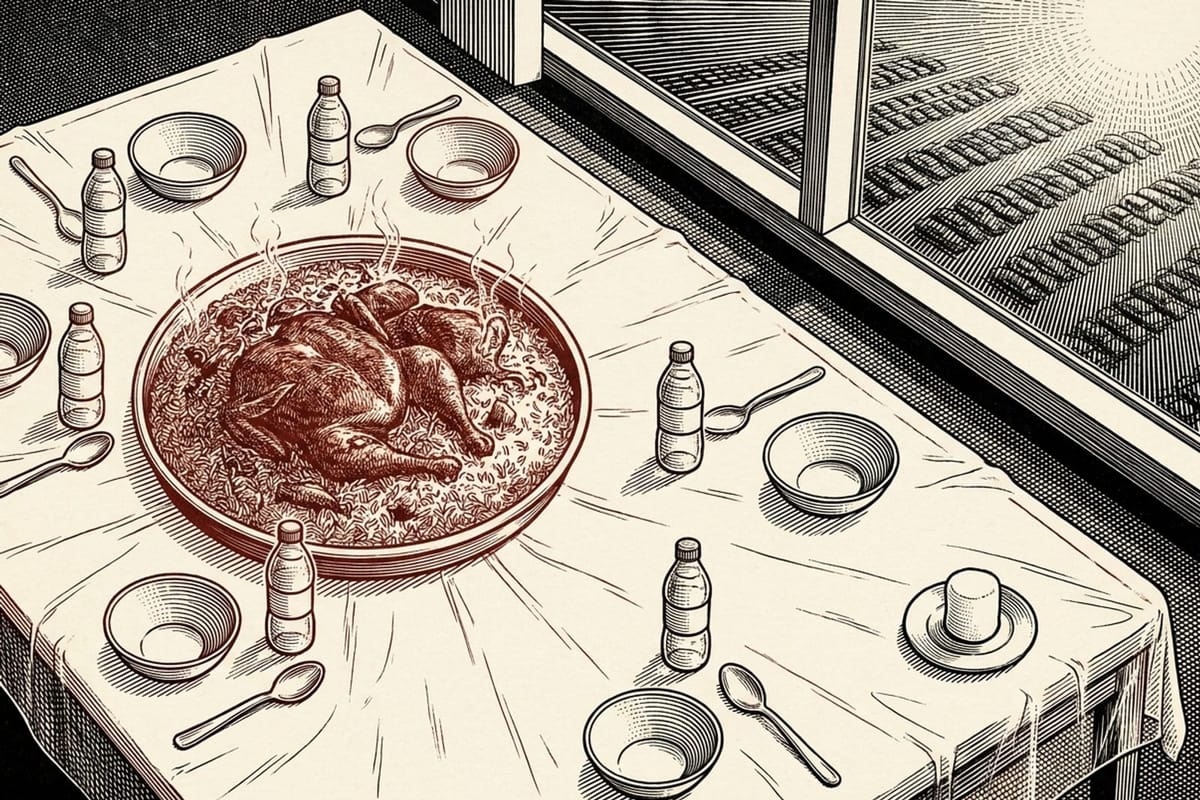
The Saudis Must Be Fixed
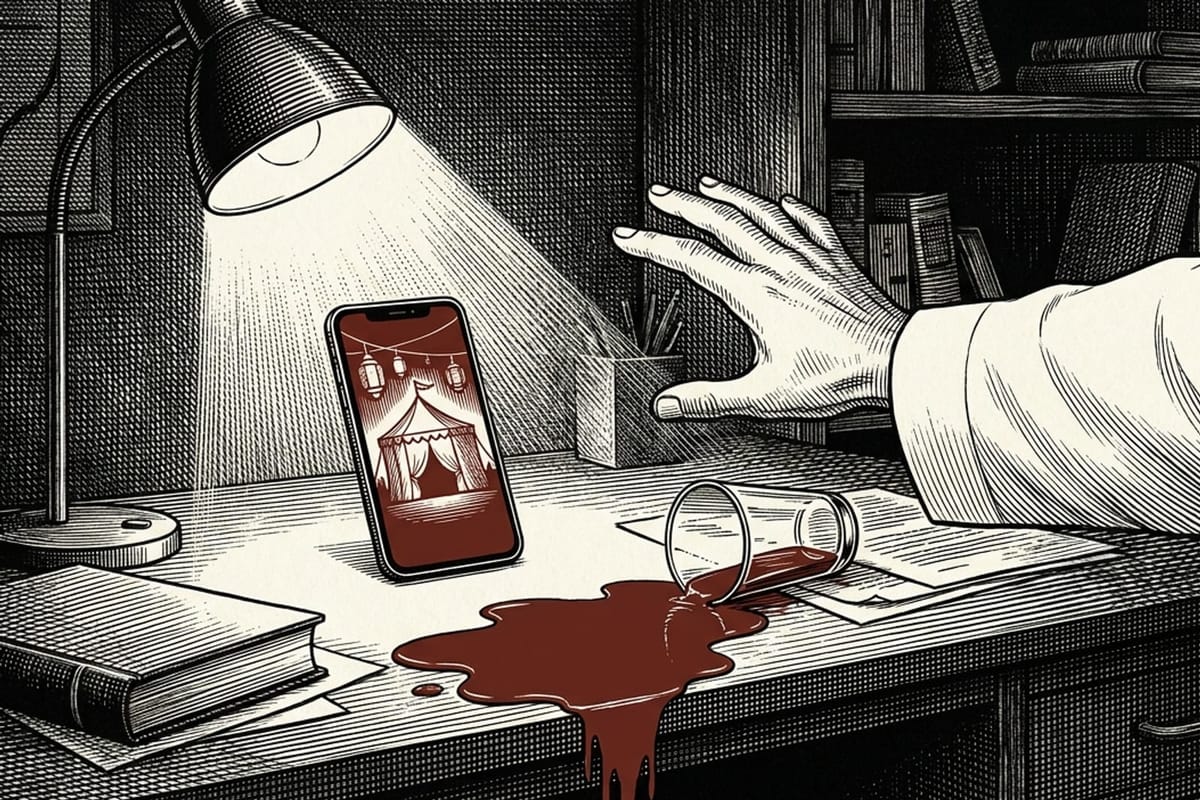
A café wall shakes and a foreign friend turns pale. Two stories follow: decades of self-appointed reformers who came for the Saudis, and the numbers on who actually needs fixing.
I have gathered my essays since 2014 in one place: from the newspapers and magazines I wrote for, my former blog, LinkedIn and X. You can filter them by theme, year or source.
Showing 46 of 46 essays
A café wall shakes and a foreign friend turns pale. Two stories follow: decades of self-appointed reformers who came for the Saudis, and the numbers on who actually needs fixing.
An excerpt from his book, in the classical form: responsibility stays with people, secrets stay out of machines, skills must not wither, teams must be taught, and leaders must show the way.
Saudi Electricity's rebrand as Saudi Energy was a strategic move, and Saudi marketers spent days debating the logo. With marketing jobs heading to 60% localization, it was an open exam, and most of us answered the cover.
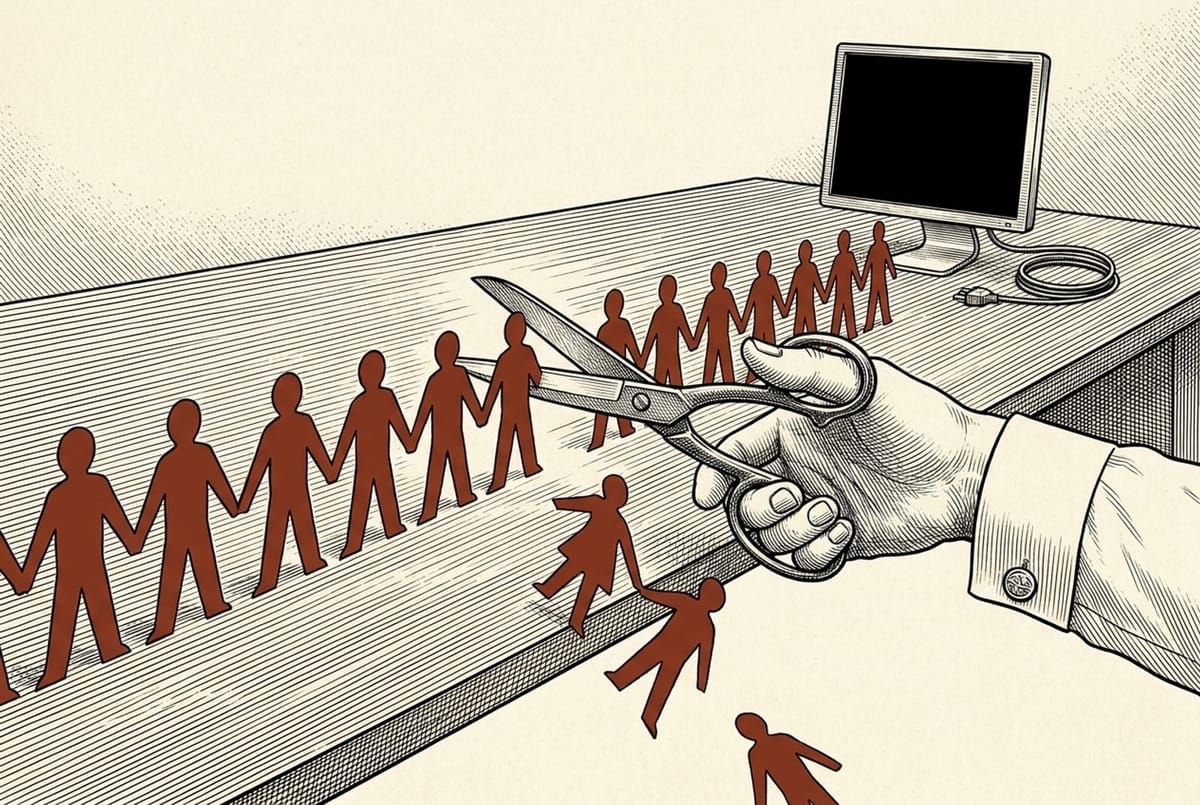
AI can finish only a sliver of real work projects end to end, yet markets reward layoffs labeled as AI. The job losses come from a financial loop, not from the machine.
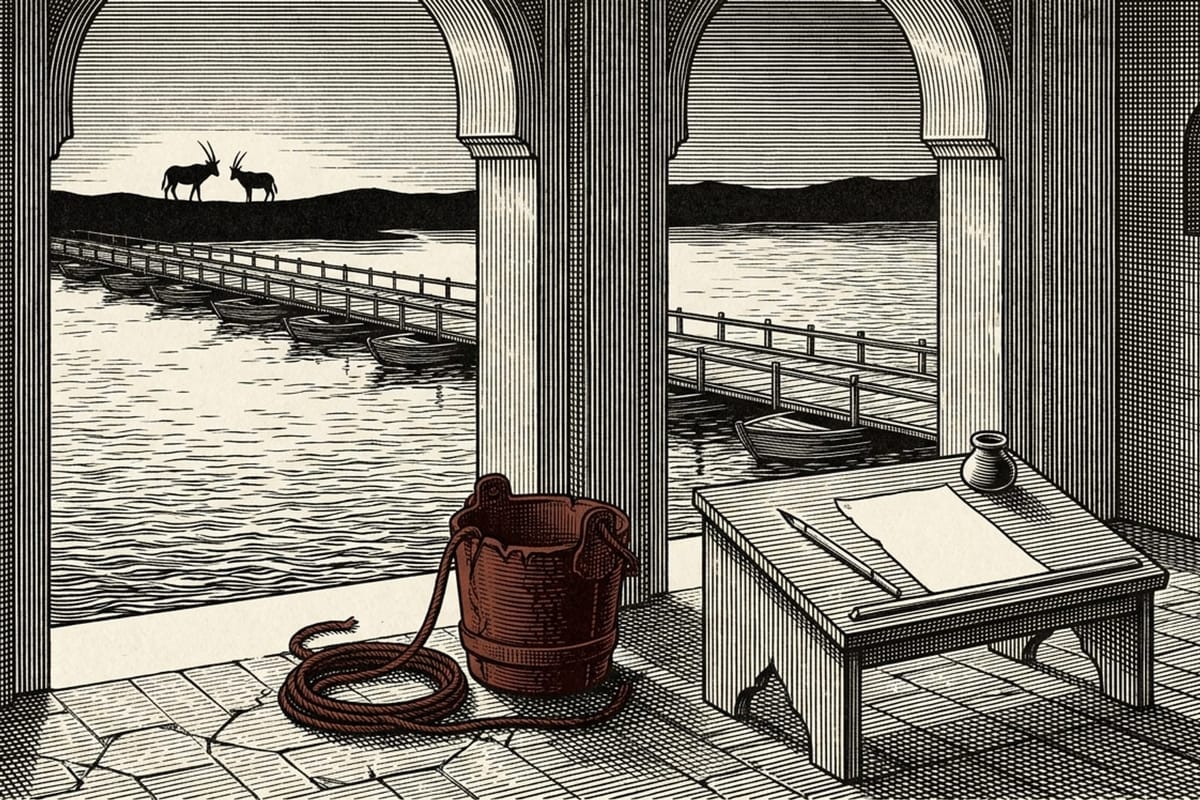
A poet praises the caliph as a dog and a goat, and is given a house by the river instead of the sword. Before punishing a failing employee, ask how to teach him.
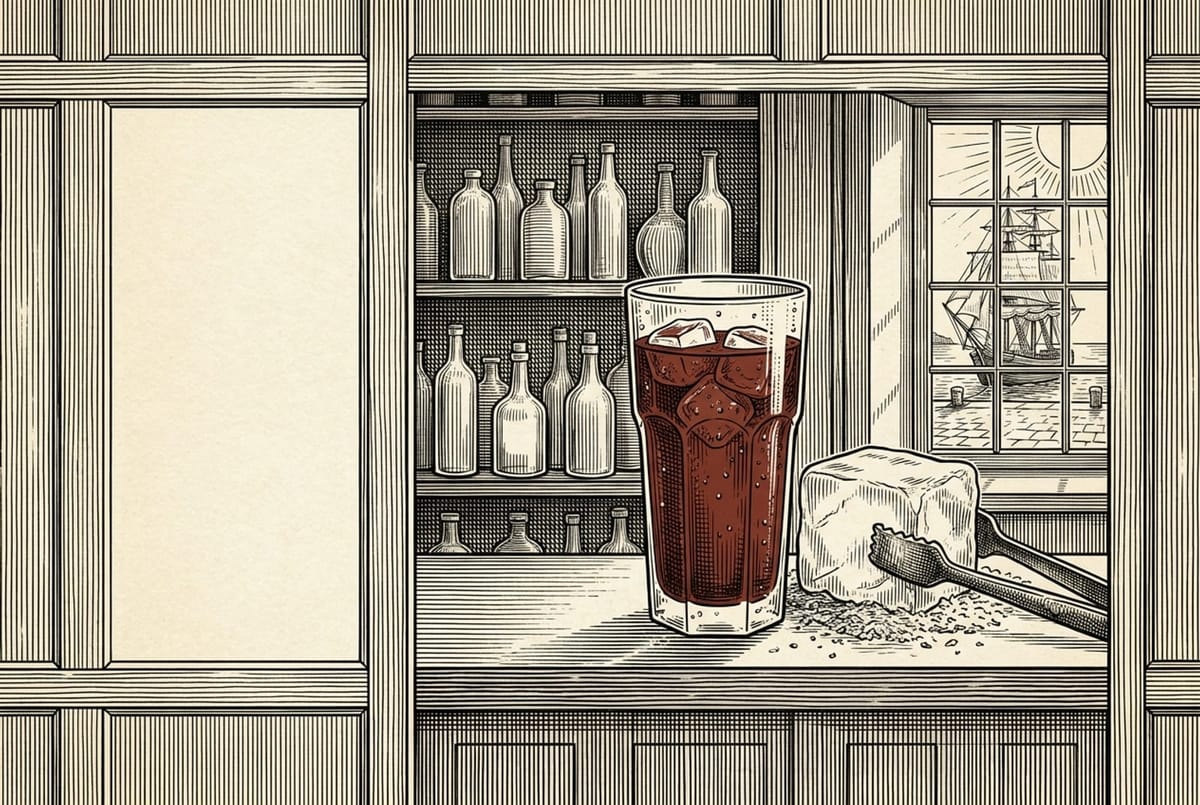
Frederic Tudor went to prison twice trying to sell ice, then made a fortune by creating demand and fixing his supply chain. The difference between sales and marketing, told as a story.
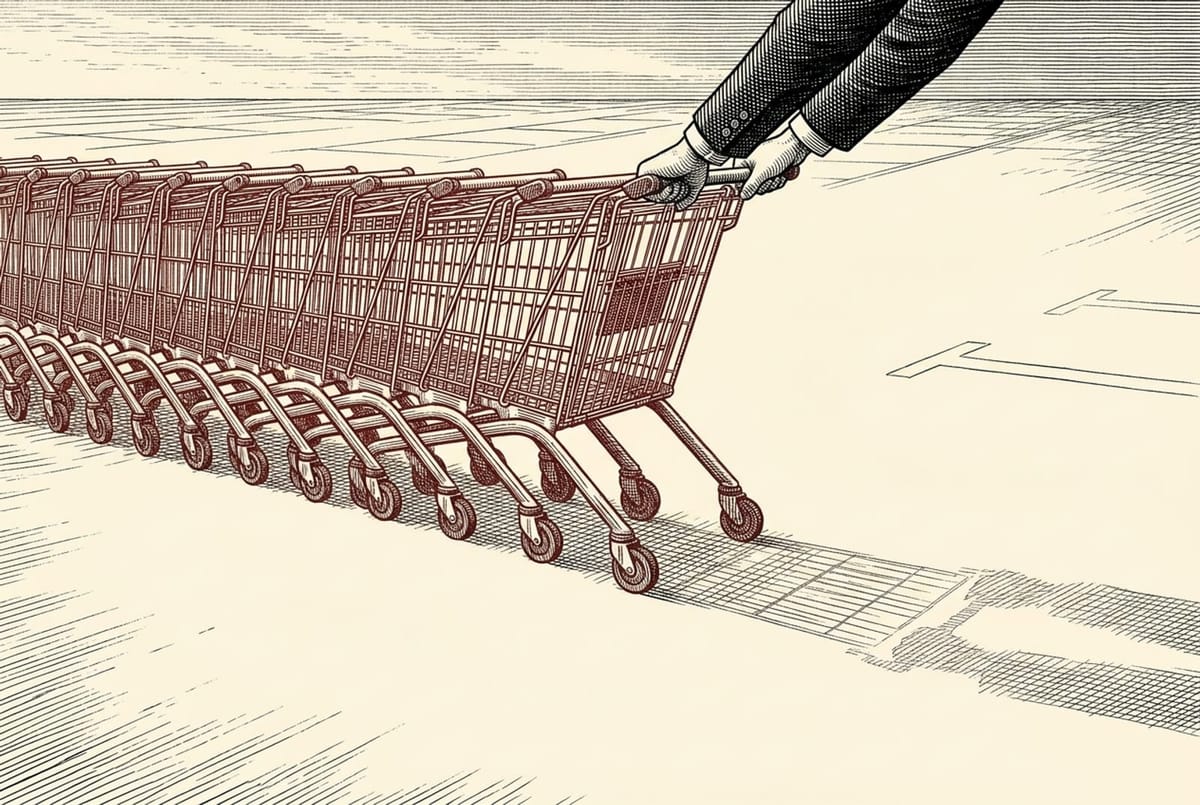
How Martin Sorrell built WPP out of a shopping-trolley maker, and what the launch of a large Saudi marketing alliance could mean for the region's industry.
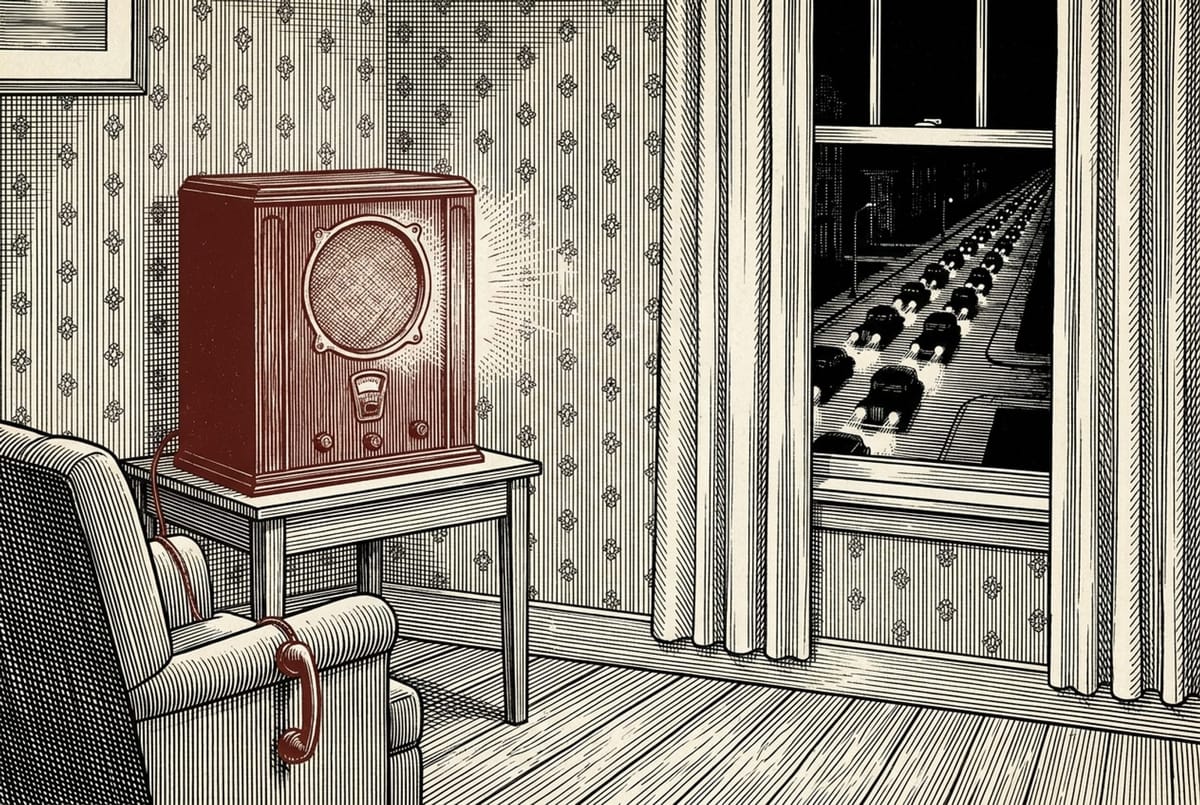
Orson Welles's War of the Worlds and the psychology of panic frame a reply to a podcast guest's fiery attack on Saudi government media: impressions are not evidence, and timing is part of the message.
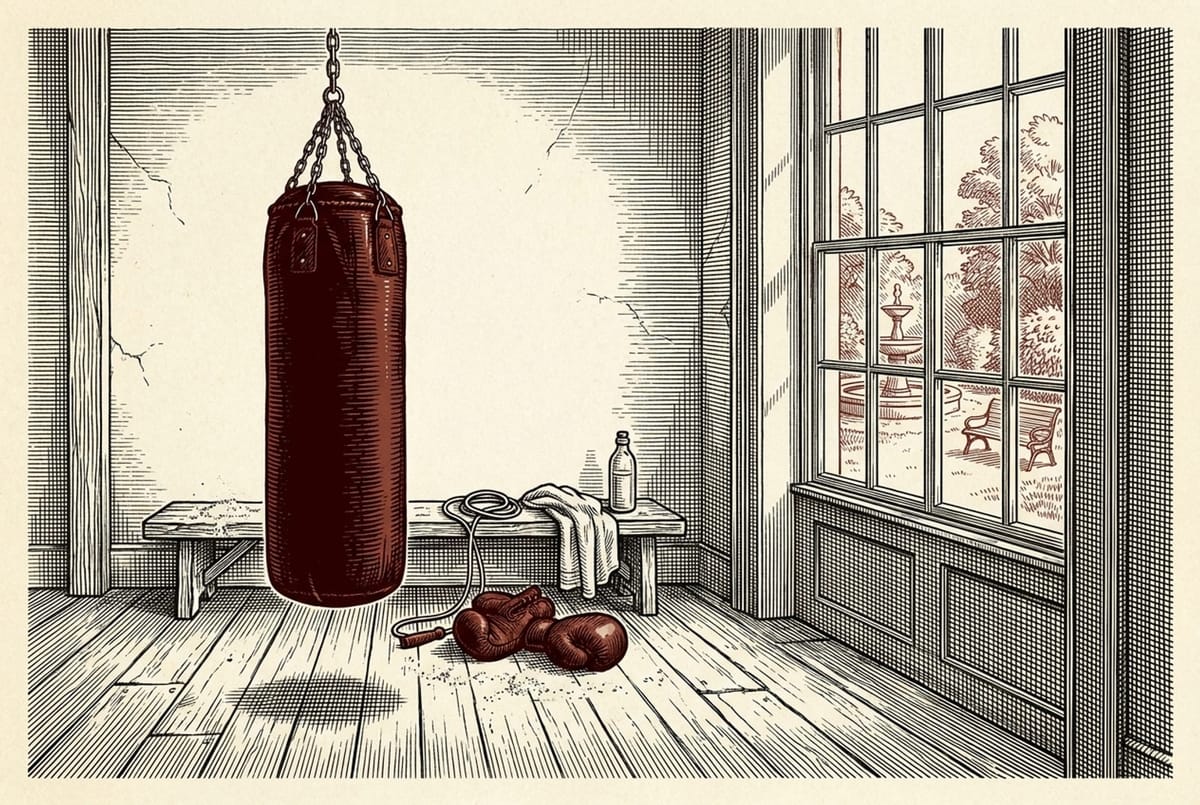
Two bosses he wished to leave, one with no sense of the future and one never satisfied, and what each taught him. A healthy workplace, he concludes, is closer to a gym than a garden.
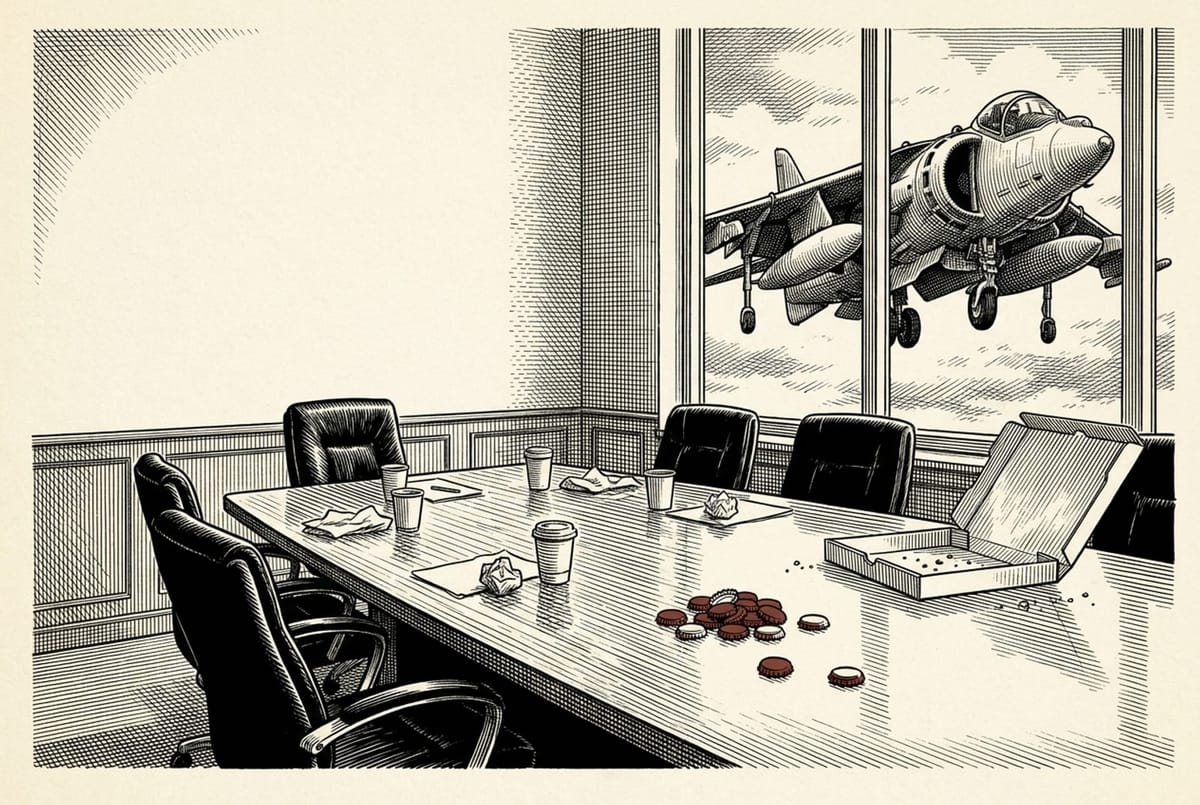
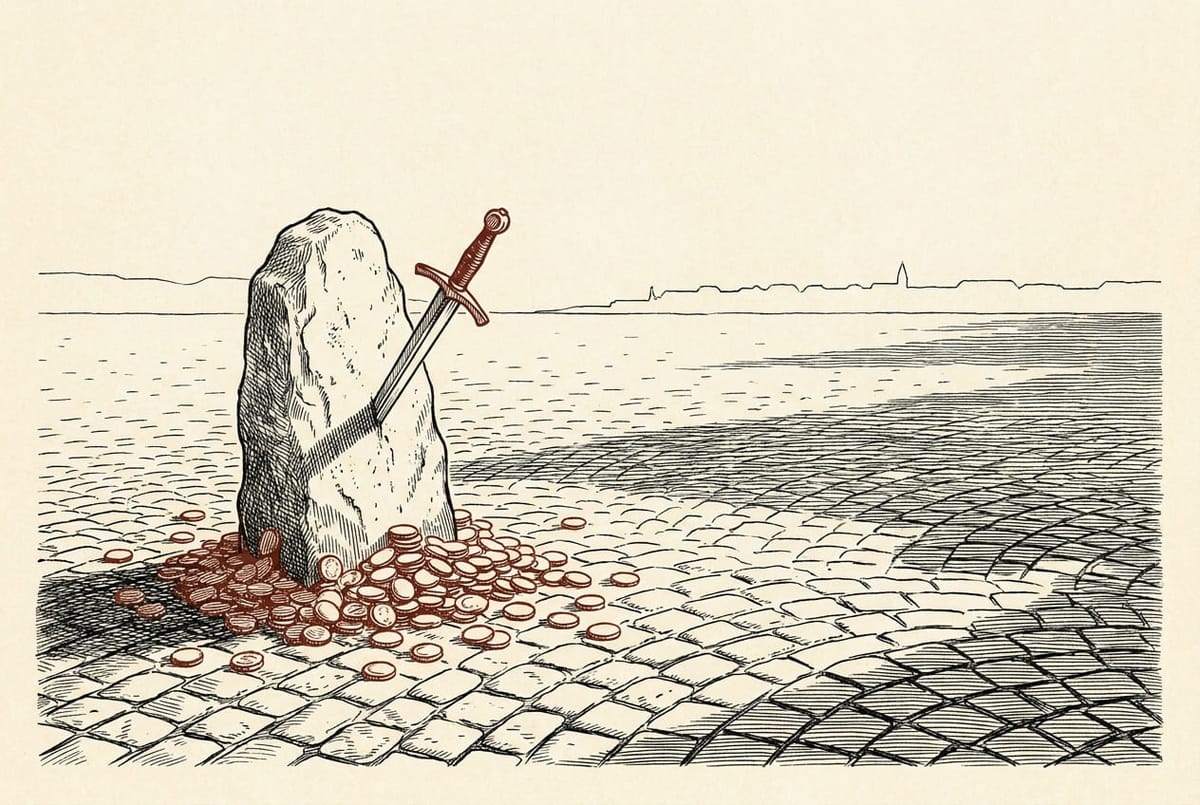
Pepsi offered a Harrier jet as a joke and a young man nearly collected, because one meeting cut the zeros and the punchline. Democracy in marketing is a very expensive naivety.
Every Ramadan his wife throws him out of the kitchen, and she is right: change for its own sake, like McDonald's two-box burger, is a management mistake he sees everywhere.
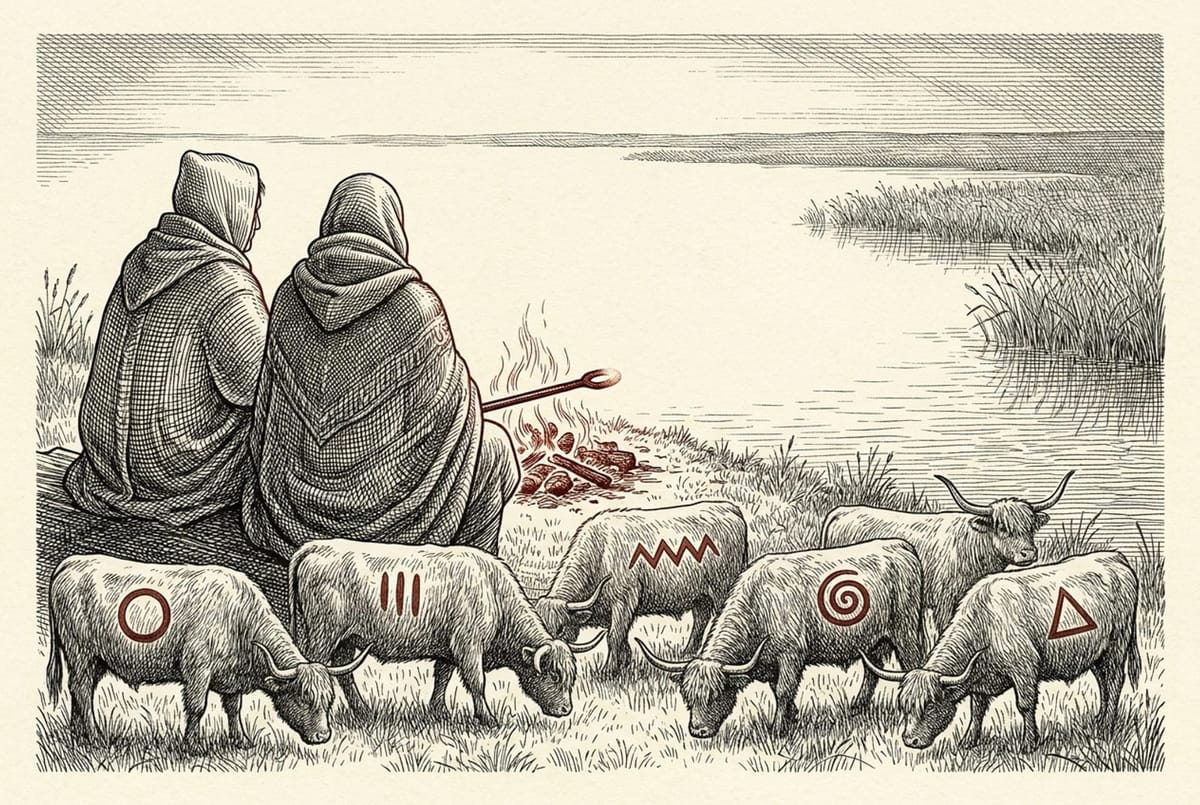
From two herdsmen branding cattle to national flags: every new emblem dilutes the one before it, and a growing family of national logos risks weakening the mother emblem.
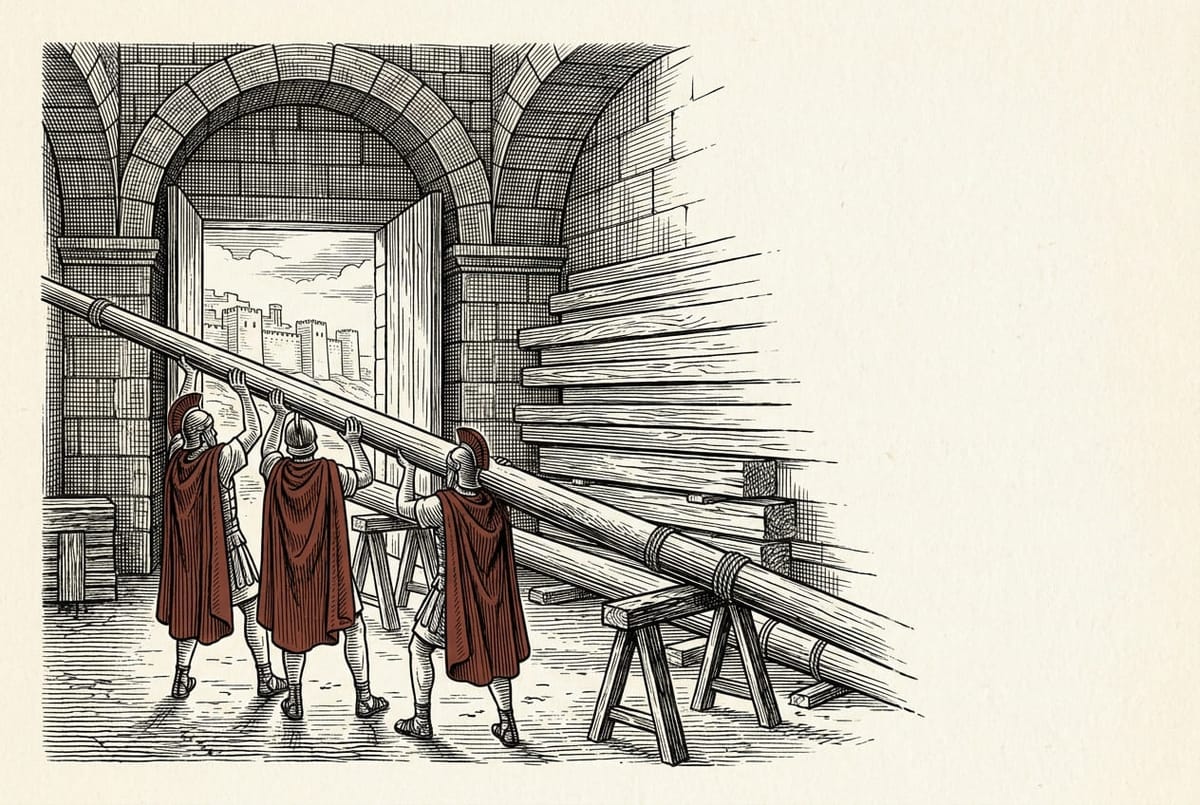
A Roman engineer who was right and was flogged, and a Michelangelo who changed nothing and was thanked. Managers are human, and when and how you tell them matters more than what you tell them.
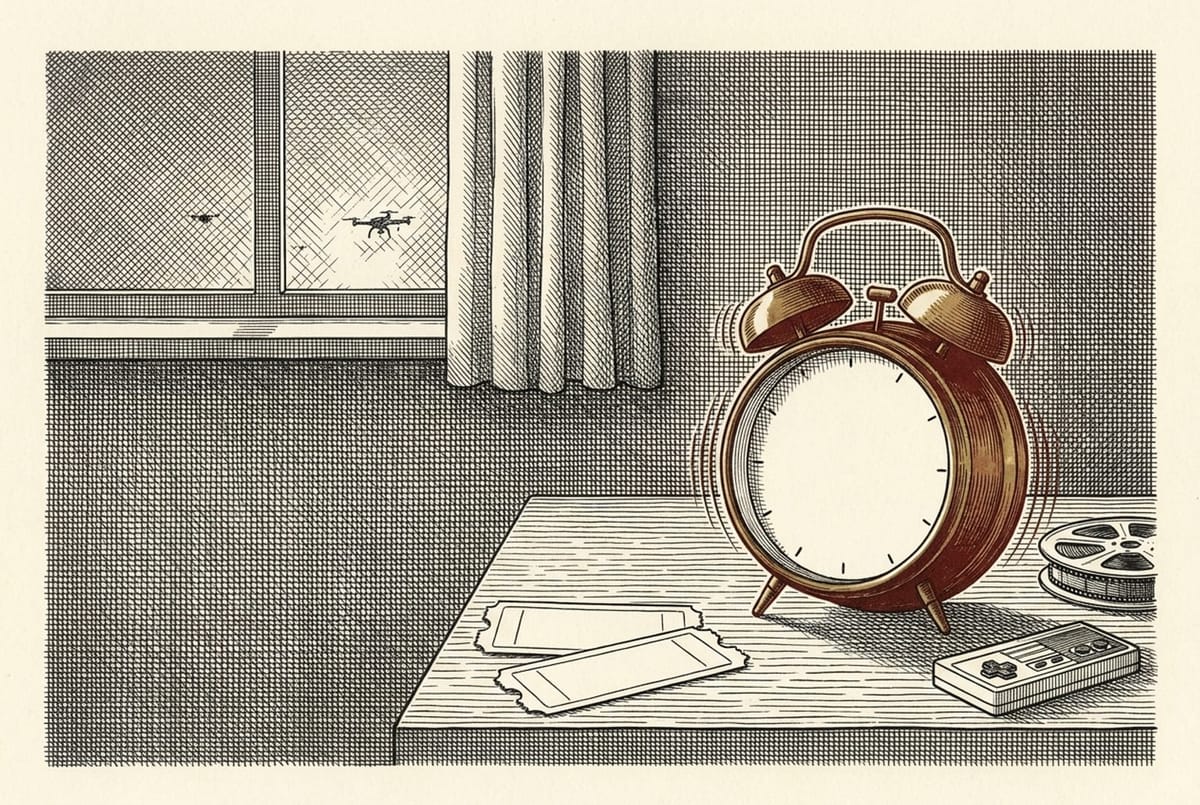
A dream of a National Day on which every ministry tells the country's story, a documentary, a play, a game, until the alarm rings and Twitter fills with discounts.
Two questions answered (why work goes faster at home, and what Stanford's experiment with Ctrip measured) and two left to readers, including why his wife gazes at the horizon and sighs.
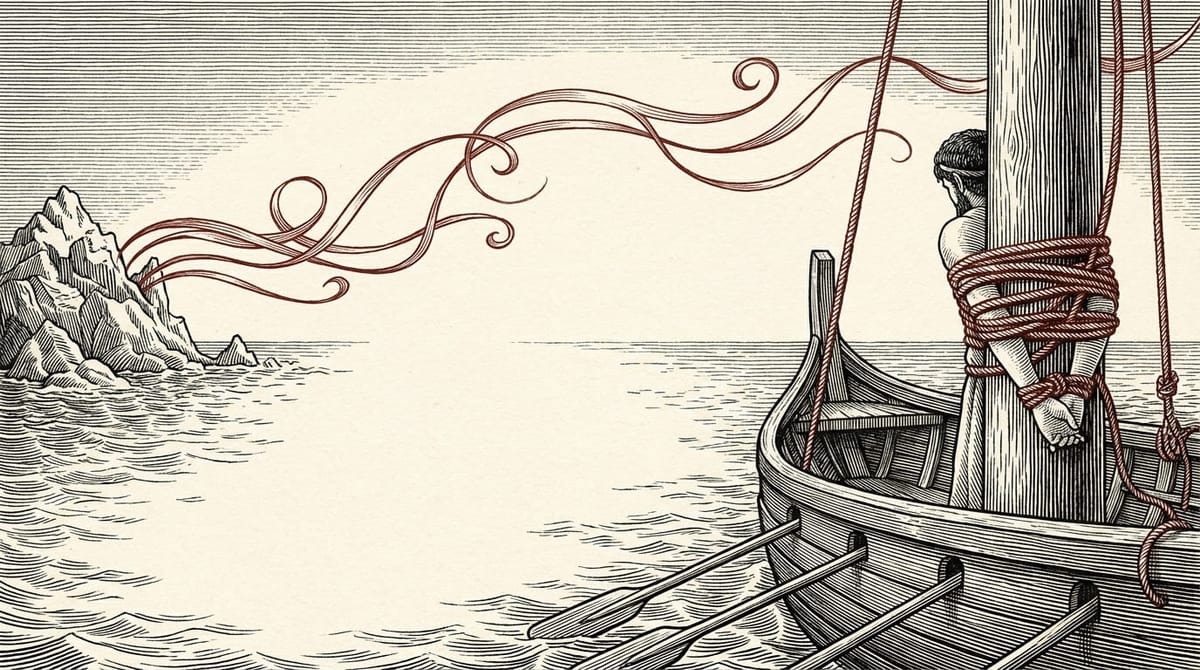
From Homer's sirens to a Saudi talk show: why we fear whoever gets inside our heads, and why a marketer who builds trust over generations could not be a con man even if he wanted to.
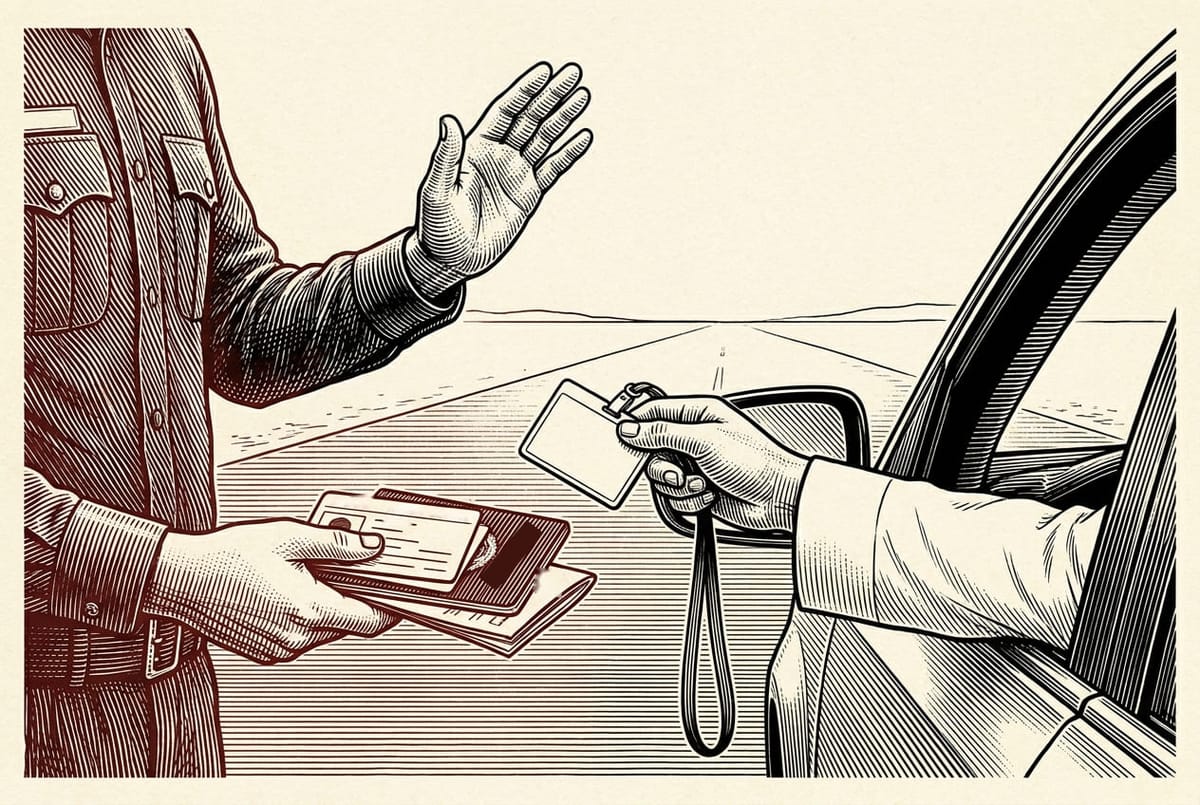
English version of «السعودي الذي رأيت»: the policeman, the ID cards, and the hosts of Bisha, Baljurashi, Qatif and Jizan.
السعودي الذي رأيت · Marketeirs · 2019
English version of «مراحل انحراف المدير»: King Arthur, Qarun and Hitler as the three stages of a CEO's fall, and why orchestras outlast soloists.
مراحل انحراف المدير · Maaal · 2018
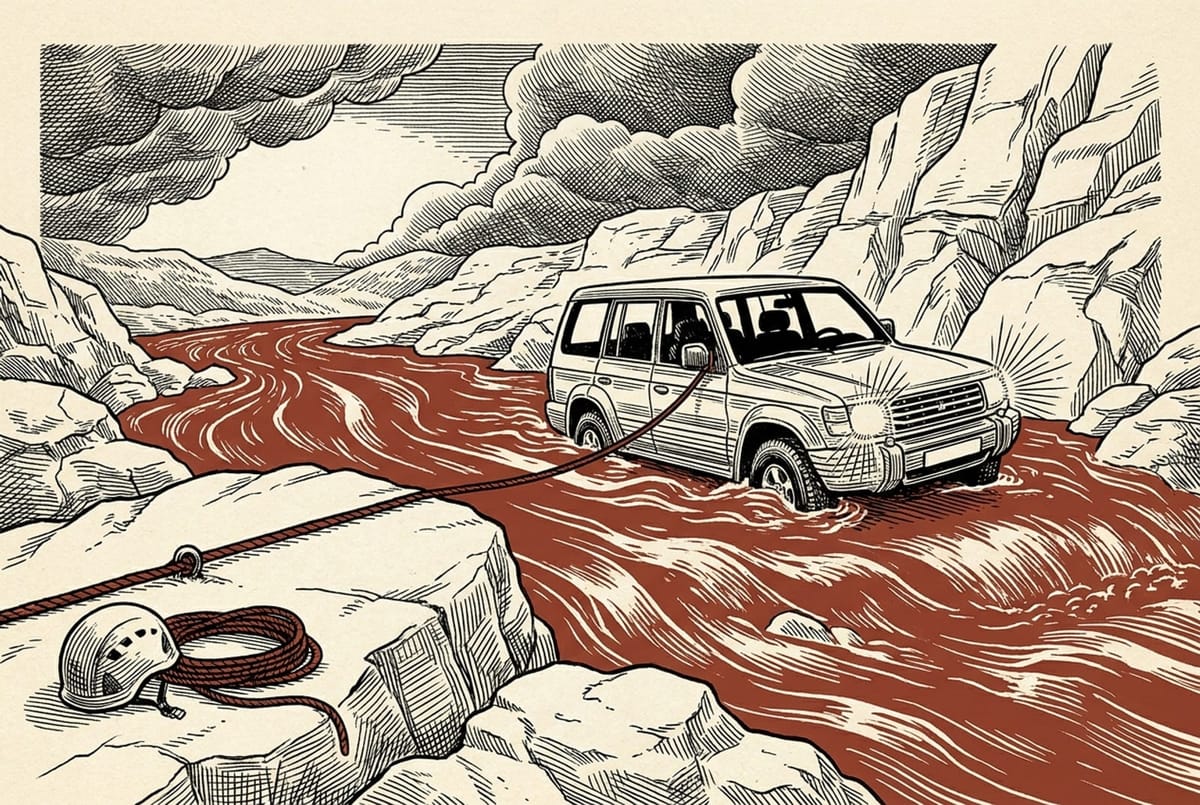
Germany billed a kidnapped backpacker for her own rescue, and a court agreed. When thrill-seekers drive into flooded valleys, someone pays: the rescuers, the budget, and every citizen whose services wait.
English version of the Dove essay: a soap brand that refused to sell women their flaws, and the question whether brands can change the world.
فقط 2% من نساء العالم جميلات · Maaal · 2018
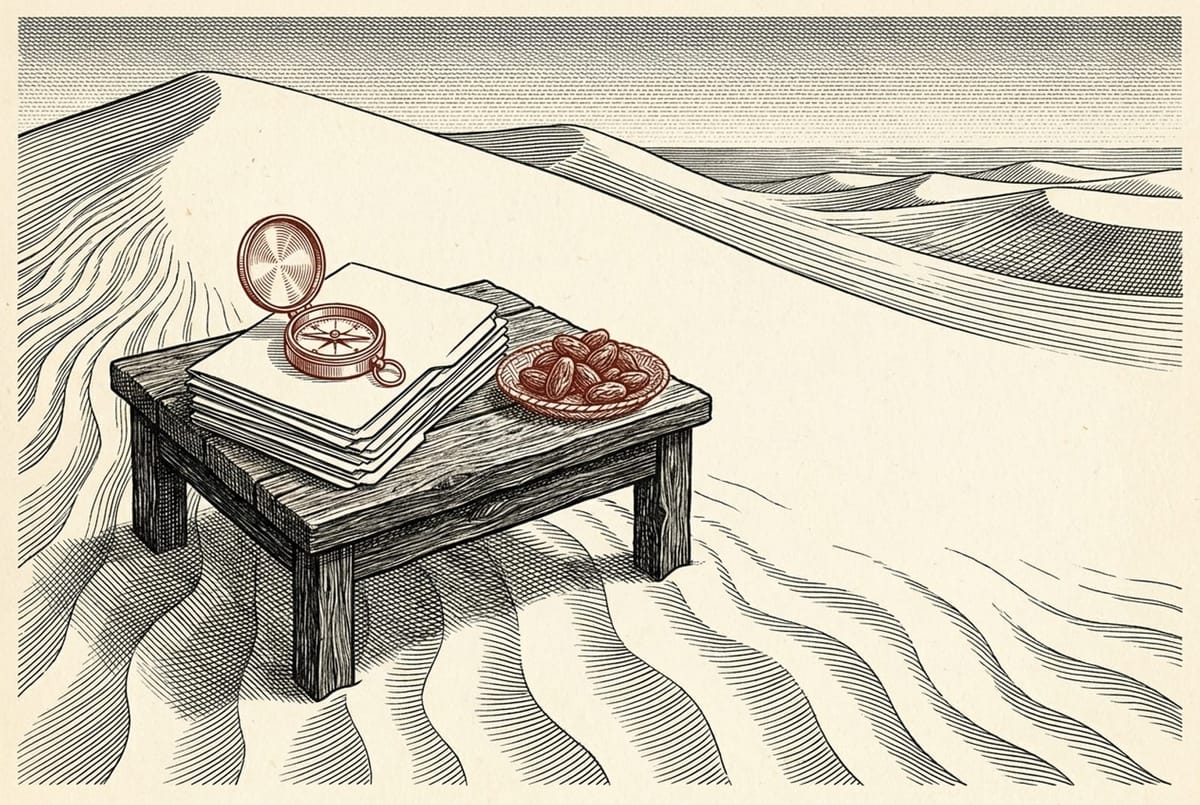
English version of «والربع الخالي وتمره»: Saudization, Febreze and the six ingredients of virality, and the compass a new generation of marketers needs.
والربع الخالي وتمره · Maaal · 2018
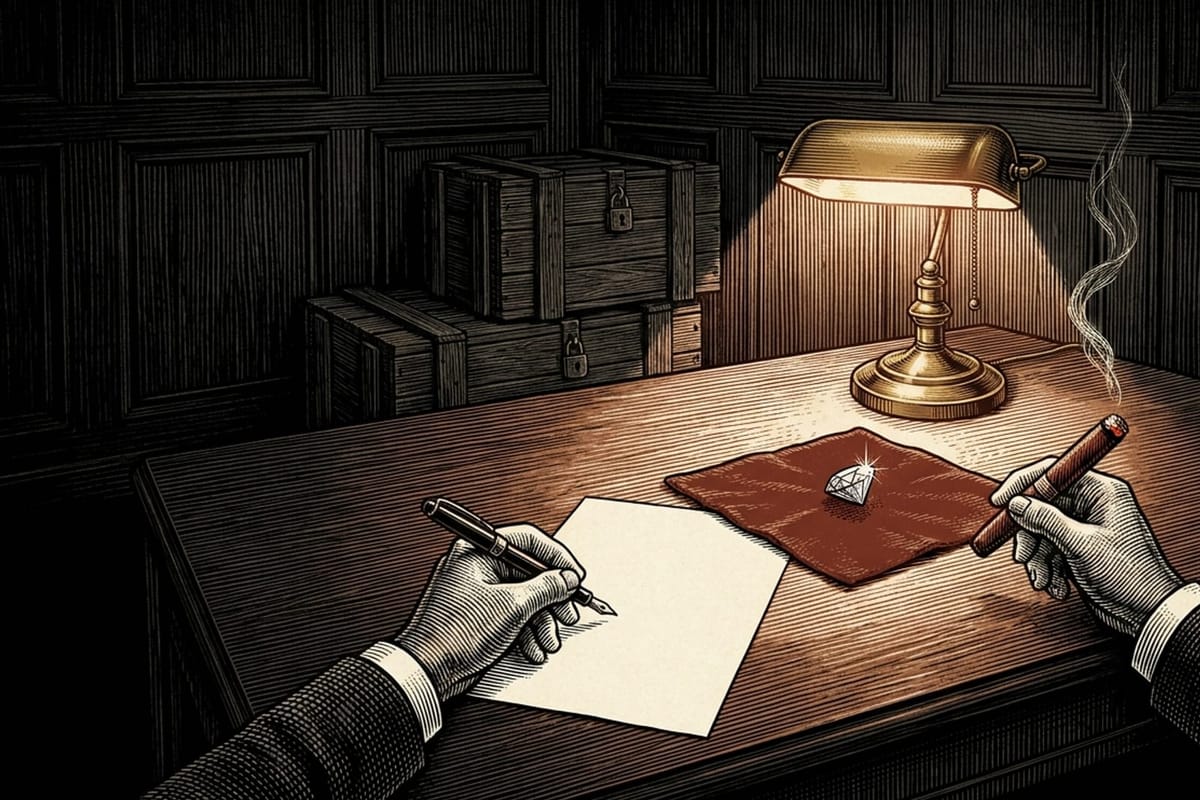
The diamond on his wife's wrist owes its magic to a 1938 meeting between De Beers and an ad agency, and a tobacco company's anti-smoking ads made teenagers likelier to smoke. Every message usually serves its sender.
English version of «سنة أولى ترفيه»: an Eid show in Riyadh, and the jobs, businesses and tourism money behind a family night out.
سنة أولى ترفيه · Maaal · 2018
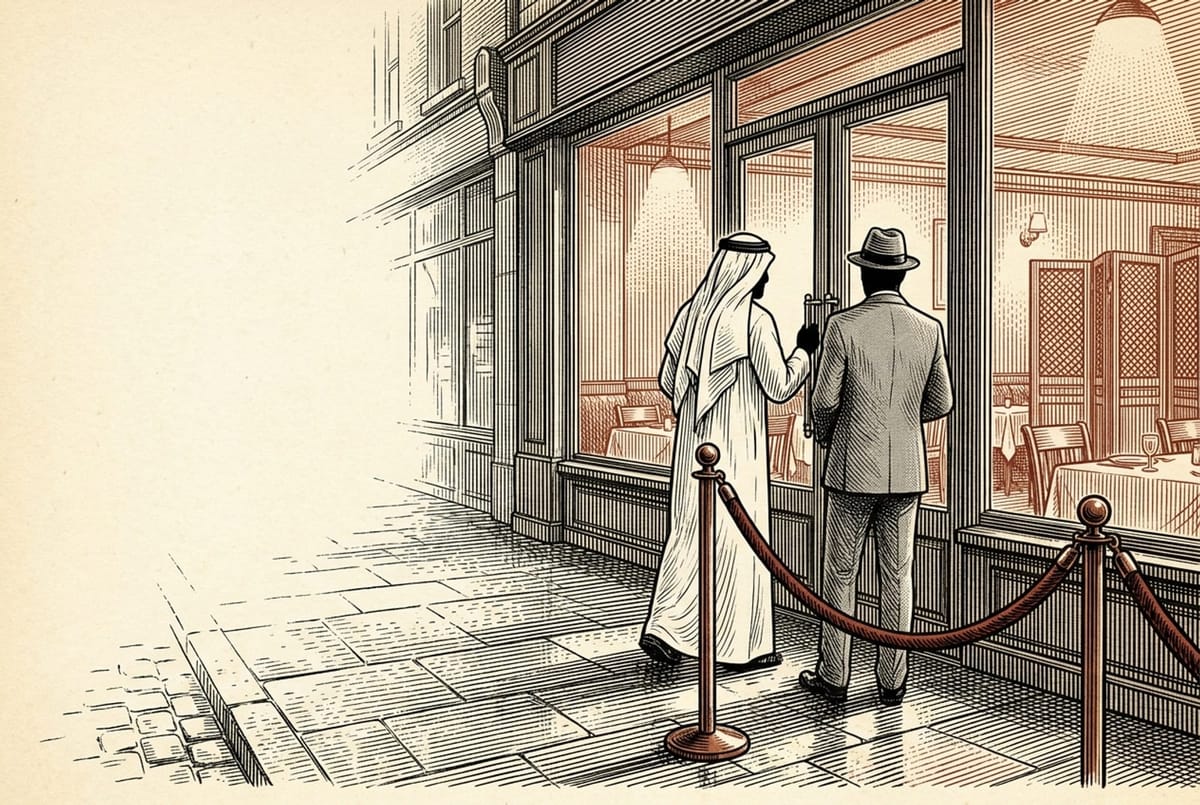
A recruiter's rule never to hire a Saudi secretary meets the young man who broke it; then two restaurants turn away "bachelors". On convictions born of illusion and raised by fear.
A wartime love song Russians still sing on Victory Day, and the less romantic history behind it, open a short lesson in nation branding: how countries market themselves to their own people and to the world.
Two tough bosses, one Saudi and one Egyptian, made him. A Twitter storm over a fired saleswoman prompts a plea: Saudi nationality is a responsibility, not a shield for poor work.
A viewer's review of the season's Ramadan ads, with a simple test: swap the company's name at the end. If the ad still works, you watched the agency's talent, not the brand's value.
Chasing one blockbuster ad every Ramadan is like proposing in Ramadan because her father prays taraweeh. A brand is built on clear goals and steady content, as STC's Ramadan film showed.
Borrowing a famous University of Washington course, eight tests for nonsense, aimed at the fashionista economy that sells young Saudi women products and, sometimes, surgery.
The "saddest day of the year" was invented for a travel company, and a much-quoted study of Saudi PR rested on sixty respondents and a firm selling the cure. Read the study, not the headline.
A text that triggers fight-or-flight turns out to be a festival invitation. Then Corning, the glass giant you have never heard of because you are not its audience: choose the audience before the message.
How newspapers abroad survived the screen with memberships, services and data, and why the future of Saudi journalism lies in adapting to a connected society, not in a government bailout.
Saudi print newspapers cry for rescue, yet the market for information and the advertising market are both still growing. So where exactly is the problem?
Pepsi turned a protest photograph into a soda commercial and pulled it within a day. The lesson for marketers who ride a social wave with in-house creative.
A humble Eastern Province restaurant with no logo, no ads and a poor location has kept King Fahd University students coming back for thirty years. Clarity, authenticity and consistency are the whole of branding, and there are no shortcuts.
His mother feared a drugged teapot; research shows "just say no" campaigns can spread what they fight, through social proof. A warning for anyone publishing every detail of terror arrests: give the bread to the baker.
The bank teller's favorite excuse decoded, and why VAT and new fuel prices may finally make Saudi businesses earn their customers, and expose costs that kept opportunities hidden.
A dropped coffee is cleaned up in seconds. Then he imagines the same hotel run by committees, forms and blame, until six months and fifty injuries later it launches an ad campaign.
A sequel to "Forget Our Lobby": organizations, like Narcissus, can fall in love with their own procedures and forget what they were built for, until every department swears the failure is someone else's.
English version of «أفضل وظيفة في العالم»: Queensland's dream-job campaign, and a question for whoever markets Vision 2030.
أفضل وظيفة في العالم · Al-Hayat · 2017
A slip of the tongue at the 2017 Future Investment Initiative went viral; this is what did not. Masayoshi Son on losing a fortune, betting on the future, and the Kingdom's next wealth, the sun.
Hiroo Onoda fought on in the Philippine jungle for nearly thirty years after the war, because no officer had canceled his orders. How many Onodas do we meet, loyal to orders that expired long ago?
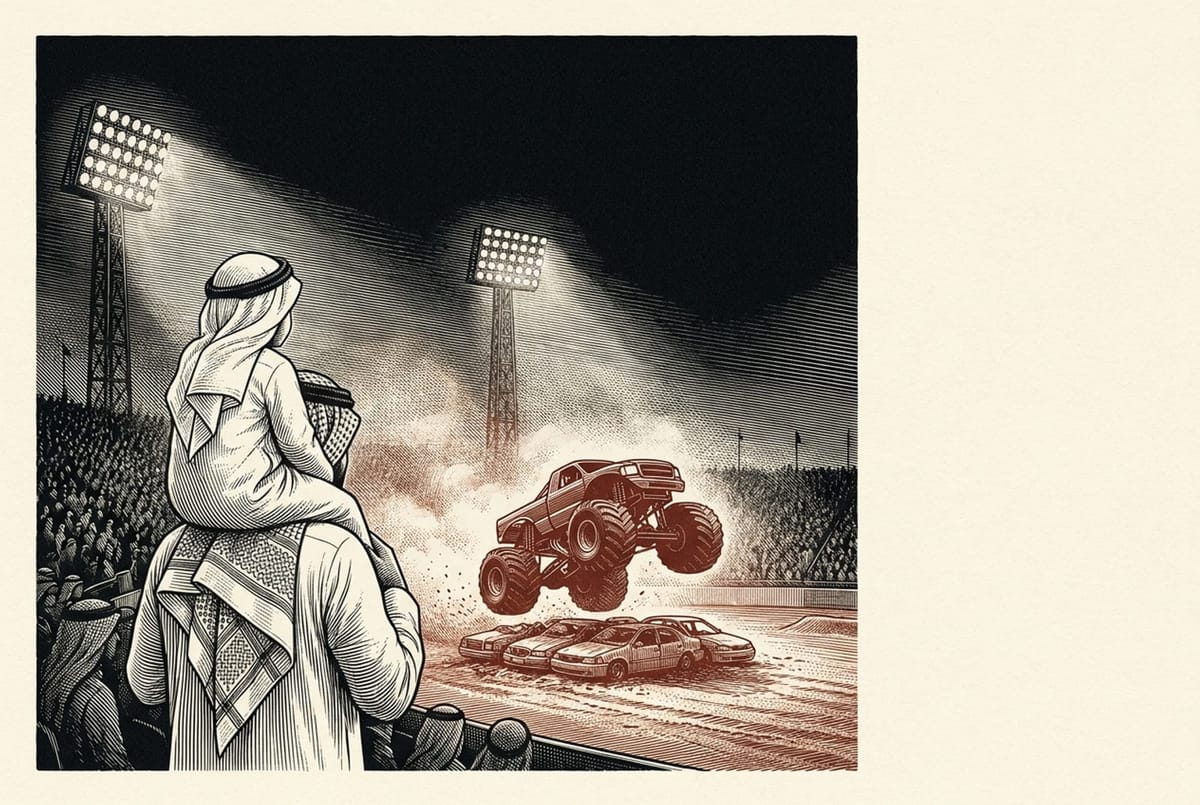
An average Saudi doubts the Vision 2030 promises, then watches them arrive: civil servants working full days, concerts and monster trucks in Riyadh, ministers answering in public.
A rant against the leadership industry and its superheroes: success is a team sport. Stripped of the seminars, leadership is the courage to take responsibility and live with the consequences.
A used BMW and a cash-hungry partner teach one lesson: a business built to extract cash fast turns its product into a one-night stand. The Toyota dealer's service network shows the other way.
Nine hungry colleagues hold out, barely, for the man who bought their lunch. Mischel's marshmallow studies make the case for self-discipline over "listen to your heart".